




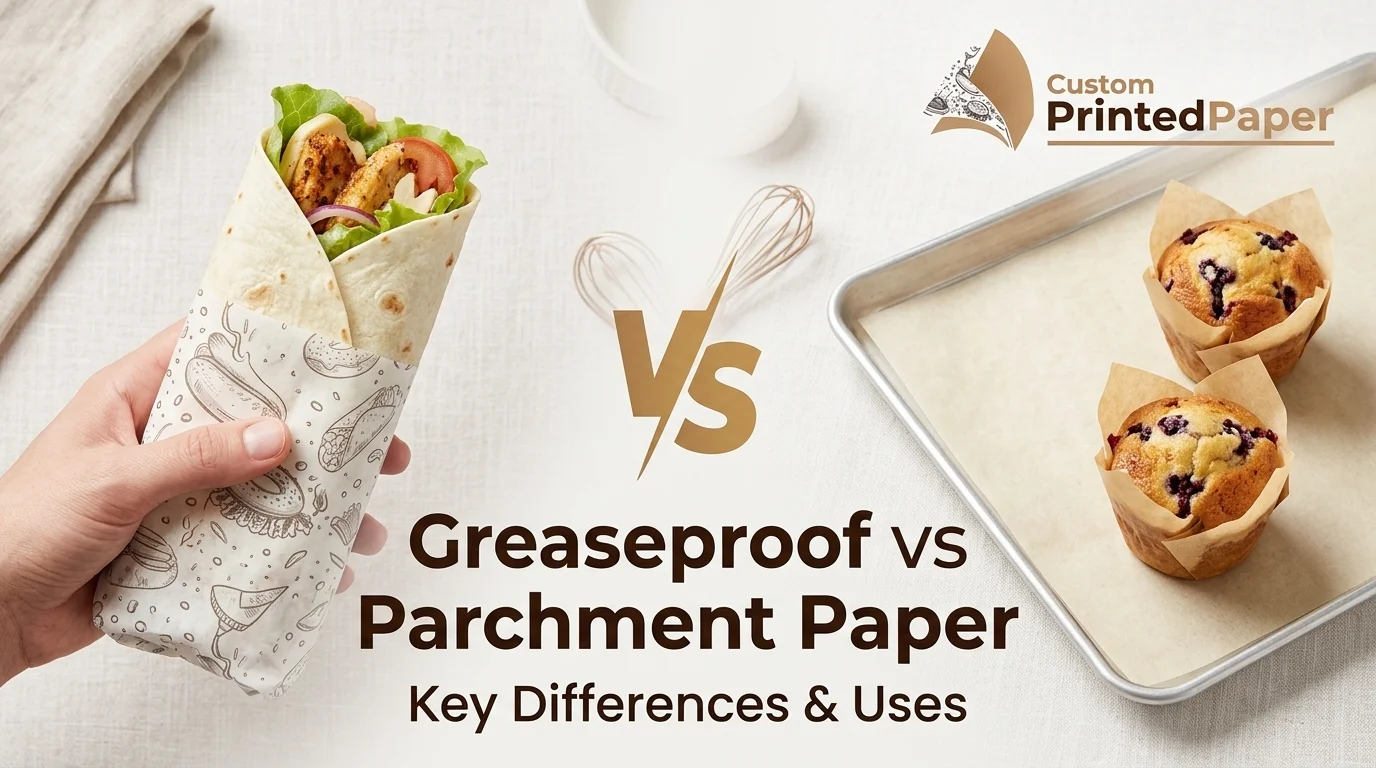
Greaseproof vs Parchment Paper: Key Differences & Uses
September 25, 2026 Explore Blogs
Greaseproof paper and parchment paper are not the same thing. One is made to resist grease and oil. The other, parchment (baking) paper, is made to be non-stick and heat-resistant for baking. The exact build and heat rating change from product to product. Always check the manufacturer’s label before use.
Have you ever grabbed the wrong roll mid-recipe? Or ordered the wrong paper for your bakery or takeaway shop? This guide clears up the mix-up. Below, we cover what separates greaseproof paper and parchment paper, when to use each one, and what Australian food businesses should check before buying in bulk.
Greaseproof vs Parchment Paper: What’s the Difference?
Here’s the difference at a glance:
- Greaseproof paper is a dense, tightly made paper. It resists grease, oil and fat. Businesses mostly use it to wrap food, not bake it.
- Parchment paper, often called baking paper in Australia, is coated with a thin layer of silicone. That coating makes it non-stick and lets it handle oven heat.
Both papers do one core job: they form a barrier between food and the surface it touches. But they’re built for different conditions. Greaseproof paper is built for grease resistance. Parchment paper is built for non-stick, heat-safe baking. Products with similar names can still differ between brands, so it’s safer to check the pack than to assume.
What Is Greaseproof Paper?
Greaseproof paper is made from paper pulp that’s been beaten and refined until it forms a dense, tight sheet. That density is what stops oil and fat from soaking through. This makes it a practical choice for:
- Wrapping burgers, sandwiches and fried food
- Lining baskets, trays and takeaway boxes
- Separating layers of greasy or moist food
- General food wrapping in delis, bakeries and cafés
Greaseproof paper isn’t always non-stick. It isn’t always oven-safe either. Some products can handle moderate oven heat. Others are made only for wrapping chilled or room-temperature food. That’s why it pays to check the temperature and food-contact rating on the pack, rather than judging by the product name alone.
What Is Parchment Paper?
Parchment paper is sold in Australia mainly as baking paper. It’s a cellulose paper coated on one or both sides with a thin layer of silicone. That coating gives it a non-stick surface. It also lets the paper handle steady oven heat without breaking down or sticking to food.
Australian baking guides often rate non-stick baking paper for use at around 220°C, or 200°C fan-forced. This can vary by brand, so always follow the guidance printed on the pack. Parchment paper is typically used for:
- Lining baking trays for cookies and biscuits
- Lining cake tins to prevent sticking
- Roasting vegetables or meat
- Wrapping food for baking “en papillote”
Greaseproof vs Parchment Paper: Key Differences
| Property | Greaseproof Paper | Parchment Paper |
| Grease resistance | Yes | Yes |
| Non-stick surface | Usually no | Yes (silicone-coated) |
| High-heat oven use | Product-dependent | Generally designed for it |
| Best for food wrapping | Yes | Possible, but not its primary use |
| Best for baking | Product-dependent | Yes |
| Common commercial use | Burgers, sandwiches, takeaway, deli | Bakery trays, cake tins, roasting |
Comparison: greaseproof paper vs parchment paper by property and typical commercial use.
Which Paper Is Better for Baking?
For baking, parchment paper is usually the better pick. Its silicone coating stops cookies, biscuits and cakes from sticking to the tray. It’s also built to handle steady oven heat. Greaseproof paper can sometimes work for baking too. But since it isn’t always non-stick or heat-rated, using it as a swap can cause sticking, browning, or scorching at high heat. If a recipe calls for baking paper, use a product rated for oven use. Don’t assume any grease-resistant sheet will act the same way.
Which Paper Is Better for Food Packaging?
For wrapping and packaging, greaseproof paper is usually the stronger fit. It’s built to stop oil and fat from soaking through the sheet. That makes it well suited to:
- Burger and sandwich wrapping
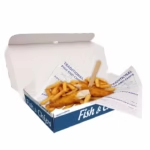
- Fries and fried food packaging
- Deli counter wrapping
- Basket and tray liners
Parchment paper can wrap food too. But its real strength is oven performance, not long-term grease resistance at room temperature. That’s why it isn’t the usual commercial pick for takeaway packaging.
Greaseproof Paper for Burgers, Sandwiches & Takeaway
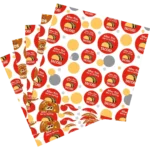
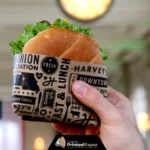
Burger shops, sandwich bars, cafés and takeaway outlets often reach for greaseproof paper. It holds up against oily, saucy or moist food without leaking through onto trays or bags. It’s also a handy surface for branding. Many Australian food businesses use custom printed greaseproof paper to wrap burgers and sandwiches with their logo. That turns a simple wrap into a branding moment at the point of sale.
Can Greaseproof Paper Go in the Oven?
Only when that specific product is rated for oven use. Don’t treat standard greaseproof paper as a stand-in for heat-resistant parchment paper. Some greaseproof products can handle moderate oven heat. Others are made only for wrapping and shouldn’t touch a hot oven. Always check the temperature rating and intended use on the pack first. This one check prevents most sticking, scorching or smoking problems.
What About Wax Paper?
Wax paper is a separate product again. It’s coated with a thin layer of wax, not silicone. That makes it moisture-resistant and handy for wrapping cold or room-temperature food, lining containers, or separating layers of baked goods. Wax paper is not oven-safe. The wax coating can melt or smoke under oven heat, so never swap it in for parchment paper when baking. It also isn’t the same as greaseproof paper, even though people sometimes mix the two up, since both resist grease to some degree.
Which Paper Is More Sustainable?
Paper and paperboard already make up a large share of Australia’s packaging market. Industry data shows a solid share gets recycled each year, though a notable amount still ends up in landfill. That’s why sourcing and disposal matter for both greaseproof paper and parchment paper. Neither paper is automatically compostable or recyclable. Silicone coatings, wax coatings, printing inks and food residue can all change how a product should be binned. If your business wants to make a sustainability claim, confirm the disposal path first: recyclable, compostable, or general waste. Check with your supplier for the exact product you use, rather than guessing based on the paper type alone.
What Australian Businesses Should Check Before Buying
Australian food businesses must use packaging that suits its purpose and won’t contaminate food. That means thinking about the food type, temperature, humidity and handling conditions the paper will face. Before ordering greaseproof paper or parchment paper in bulk, check the following:
- Food-contact suitability — is the paper approved for direct food contact?
- Temperature rating — will it be exposed to oven heat, or just wrapping at room temperature?
- Grease and moisture exposure — how oily or wet is the food it will hold?
- Coating type — silicone, wax, or uncoated?
- Printing compatibility — does branding or ink affect food-contact safety?
- Disposal pathway — recyclable, compostable, or general waste?
How to Choose the Right Paper for Your Food Product
A simple five-question test can settle most decisions:
- Will it go in the oven? If yes, pick parchment or baking paper rated for that heat.
- Is the food oily or greasy? If yes, greaseproof paper is usually the better wrap.
- Does it need a non-stick surface? If yes, parchment paper’s silicone coating does that job.
- Will the paper sit in direct food contact for a long time? Check food-contact suitability either way.
- Does the business need custom sizing or branding? This is where custom food wrapping paper and custom printed food paper come in for commercial buyers.
Frequently Asked Questions
Is greaseproof paper the same as parchment paper?
No. Greaseproof paper mainly resists grease and oil. Parchment paper is silicone-coated for non-stick, heat-safe baking. The two can overlap, but they aren’t interchangeable by default.
Can greaseproof paper go in the oven?
Only if that specific product is rated for oven use. Check the pack’s temperature guidance before you bake with it.
Is parchment paper greaseproof?
It resists grease to some degree. But its main job is non-stick, heat-safe baking, not general food wrapping.
Is greaseproof paper non-stick?
Not usually. Most greaseproof paper skips the silicone coating, so food can stick to it more than it would to parchment paper.
What is greaseproof paper used for?
It’s commonly used to wrap burgers, sandwiches and fried food. It also lines baskets, trays and takeaway containers.
What paper is best for burger and sandwich wrapping?
Greaseproof paper is the typical pick. Many businesses use custom printed greaseproof paper to add branding to their wrap.
What should Australian businesses check before buying food wrapping paper?
Confirm the paper suits its purpose. Think about food type, temperature, humidity and handling conditions before you order in bulk.
Conclusion
Greaseproof paper and parchment paper solve different problems. One resists grease. The other gives you a non-stick, oven-safe surface. The right choice comes down to the job: holding oily food, or handling baking heat. It’s not about which name sounds more familiar. Australian food businesses that want both performance and branding can turn to custom printed paper. It pairs the right paper spec with a clean, on-brand finish.