





Is Wax Paper Edible or Harmful? Safety Explained
September 28, 2026 Explore Blogs
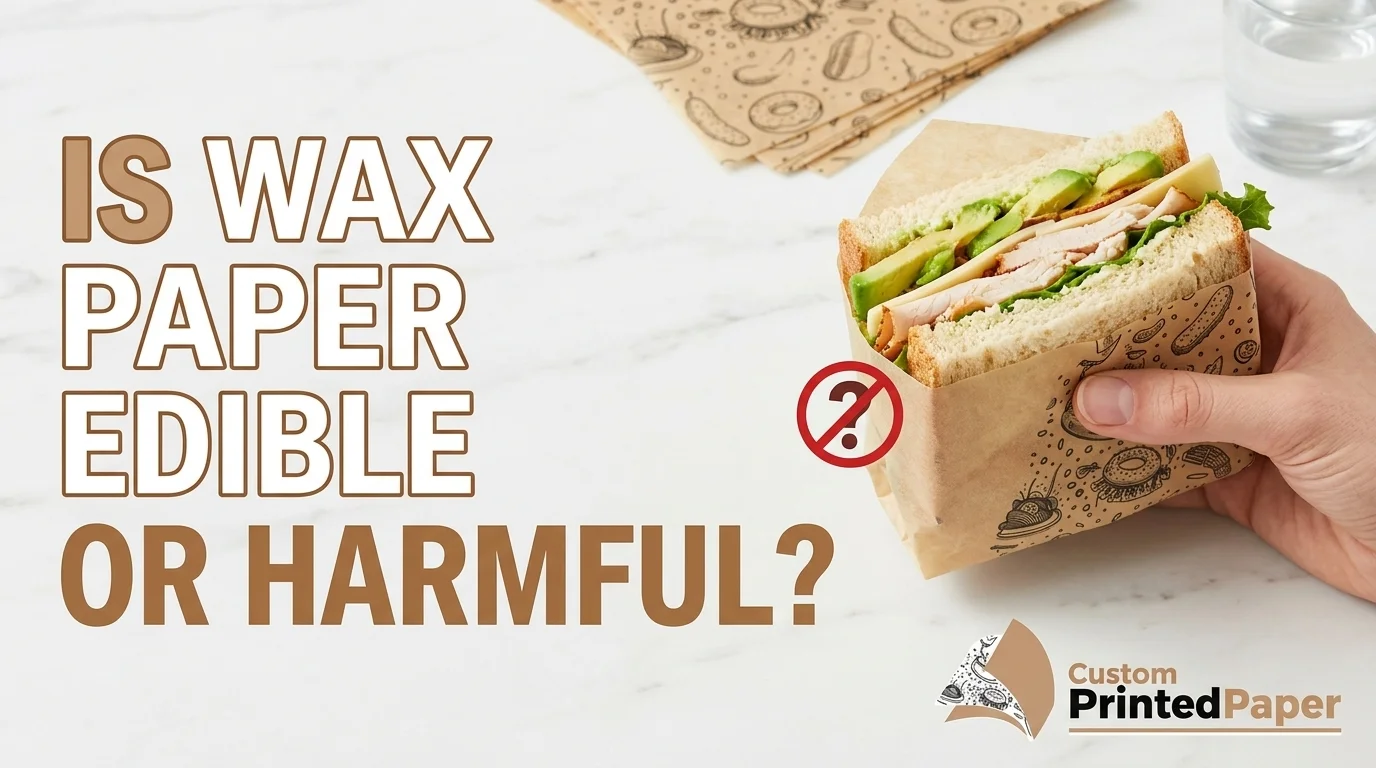
Is wax paper edible? No. Wax paper is made for wrapping and food preparation, not for eating. A small accidental piece is unlikely to be a major concern for most people. But the outcome depends on the product, the coating and the amount. If you’re worried, call the Poisons Information Centre on 13 11 26.
Many people mix up two ideas here. Wax paper is food-safe, but that doesn’t make it edible. This guide explains the difference, what wax paper is made of, and what to do if you’ve swallowed some.
Is Wax Paper Edible?
Wax paper is not edible. It is a paper sheet coated with wax. It is designed to touch food, not to become food.
Your body can’t digest paper fibre well. The wax coating adds nothing nutritionally either. So if you’re asking can you eat wax paper, the answer is no. It isn’t meant to be eaten on purpose.
Accidents are a different story. A tiny scrap stuck to a sandwich or a baked slice is a common kitchen mishap. It’s not a reason to panic, but it’s worth knowing what to do. We cover that below.
Food-Safe Does Not Mean Edible
This is the point most people miss.
- Food-safe means a material is suitable for touching food under its intended conditions.
- Edible means a material is intended to be eaten.
Wax paper fits the first description. It doesn’t fit the second.
In Australia, Food Standards Australia New Zealand (FSANZ) says food packaging must be fit for its intended purpose. It also notes that factors such as food type, temperature and storage conditions affect packaging safety. Nothing in that framework treats packaging as something to consume.
Think of a plastic chopping board. It’s safe for food contact, but no one would eat it. Wax paper works the same way.
What Is Wax Paper Made Of?
Wax paper has two main parts:
- A paper base. This is made from cellulose fibre.
- A wax coating. This is applied to one or both sides.
The coating gives the paper its moisture resistance and non-stick surface. Common coatings include:
- Paraffin wax, a petroleum-derived wax
- Soy wax, a plant-based option
- Beeswax or carnauba wax, which are used in some specialty products
Not every product is the same. Coatings, food-contact suitability and heat limits vary between suppliers. Some products aren’t sold for food use at all. Always check the manufacturer’s information before using any wax paper with food.
Is Wax Paper Toxic?
Wax paper is not designed to be toxic, but it isn’t designed to be eaten either. These are two separate questions.
Is the coating toxic? Food-contact wax coatings are made for their intended use. For example, the US FDA lists paraffin wax for specified food-contact uses. That covers contact, not deliberate eating.
Is swallowing the paper itself a problem? Paper isn’t digestible. Large or dry pieces can also be hard to swallow, and they may cause choking in young children.
There is limited public clinical data on illness from accidental wax paper ingestion. So we won’t give you a “safe amount”. No universal figure exists. The product, coating and amount all matter.
What Happens If You Accidentally Eat Wax Paper?
If you swallow a small piece of wax paper by accident, it will usually pass through the digestive system without being broken down. Many people experience no symptoms. This depends on the product and how much was swallowed.
Some general points:
- A tiny scrap stuck to food is very different from a large piece.
- Children have smaller airways, so choking is a concern.
- Heated wax paper that has melted onto food is a different situation from cold contact.
Healthdirect says the response to a swallowed substance depends on what was swallowed and how much. That is why we avoid one-size-fits-all claims.
Seek help promptly if you or a child develops any of these:
- coughing, gagging or trouble breathing
- ongoing vomiting
- severe stomach pain
- unusual drowsiness
What Should You Do If You Swallow Wax Paper?
Australian safety note: If you’re worried that you or a child has swallowed something harmful, contact the Poisons Information Centre on 13 11 26. It operates 24 hours a day. In an emergency such as collapse, seizures or breathing problems, call 000.
Here is a simple step-by-step:
- Stay calm. Most cases involve a very small amount.
- Remove any paper left in the mouth. Don’t force vomiting.
- Note the product. Keep the packaging and check the coating.
- Call 13 11 26 for advice specific to your situation.
- Call 000 if there are breathing problems or the person is unwell.
Please don’t rely on home remedies. A poisons specialist can tailor advice to the product and amount. Healthdirect has further guidance on swallowed substances.
Can Wax Paper Go in the Oven or Microwave?
Oven: no. Wax paper isn’t made for oven heat. The wax can melt, smoke or transfer onto food. Some products carry specific instructions, but as a rule, avoid wax paper in the oven.
Microwave: use caution. Some people use wax paper as a loose cover for short reheating. Melting is still possible, especially with fatty or sugary foods. Check the manufacturer’s guidance first. For anything hot or long, choose a heat-rated alternative.
This is where many everyday mistakes happen. In practice, heat is a bigger day-to-day risk than accidental eating.
Wax Paper vs Parchment Paper
The short version:
| Wax paper | Parchment paper | |
| Coating | Wax | Usually silicone |
| Heat use | Not for ovens | Made for baking |
| Best for | Cold wrapping, separating food | Baking, roasting |
Want the full comparison? See our guide on wax paper vs parchment paper. It covers heat limits, safety and which one suits each job.
How to Use Wax Paper Safely
- Use it for cold or room-temperature food, such as sandwiches, cheese and baked goods.
- Use it to separate layers, like burger patties or biscuits.
- Keep it away from heat, including ovens, grills and hot pans.
- Remove it before serving. Peel it from food and check nothing is left behind.
- Read the product details. Check whether it is sold as food-grade.
- Supervise children. Keep loose sheets away from very young kids.
Choosing Food-Contact Paper for Your Business
If you sell food, the question changes. You’re no longer asking “is it edible?” You’re asking “is it right for my product?”
Match the paper to the food type, temperature, moisture and storage conditions. Ask suppliers about coatings and intended use. Consider custom wax paper for food packaging when you want branded wrapping for cold or room-temperature items. You can also compare food-safe paper packaging options for other applications.
Looking for paper designed for food packaging? Explore options based on your product, application and packaging needs, or contact our team to talk through your requirements.
Frequently Asked Questions
Is wax paper edible?
No. Wax paper is food-safe for its intended contact use, but it isn’t meant to be eaten.
Can you eat food that touched wax paper?
Yes, if the paper was used as intended and is a food-contact product. Remove the paper first. Check the packaging if you’re unsure.
Is wax paper toxic?
It isn’t designed to be toxic, but it isn’t a food. Toxicity of a coating and safety of swallowing paper are different questions. Amount and product both matter.
What happens if you accidentally swallow wax paper?
A small piece usually passes through undigested, and many people have no symptoms. If you’re worried, call 13 11 26. For breathing difficulty or collapse, call 000.
Can wax paper go in the oven?
No. The wax can melt, smoke or transfer to food. Use parchment paper or baking paper instead.
Can wax paper go in the microwave?
Only with care. Check the manufacturer’s guidance, and avoid long heating or high-fat, high-sugar foods.
Is wax paper the same as parchment paper?
No. Wax paper has a wax coating for cold use. Parchment paper is usually silicone-coated for heat.
What should I do if my child swallowed wax paper?
Remove any paper from their mouth, then call the Poisons Information Centre on 13 11 26. Don’t induce vomiting. Call 000 if they are choking, struggling to breathe or unwell.