Custom Frozen Food Boxes
Trusted by 980+ of the World's Best Organization.


Get an Instant Quote
Our Commitment to Excellence

Free Artwork
Biodegradable & Recyclable

Fastest Turnarround

Renewable Plant Based Material
Free Delivery
Order Custom Frozen Food Boxes
Get frozen food boxes with water-resistant, food-friendly coating, customizable sizes, wholesale prices, and latest designs from Us. Get a Quote Now!
Key Features
| Why Choose US?
|
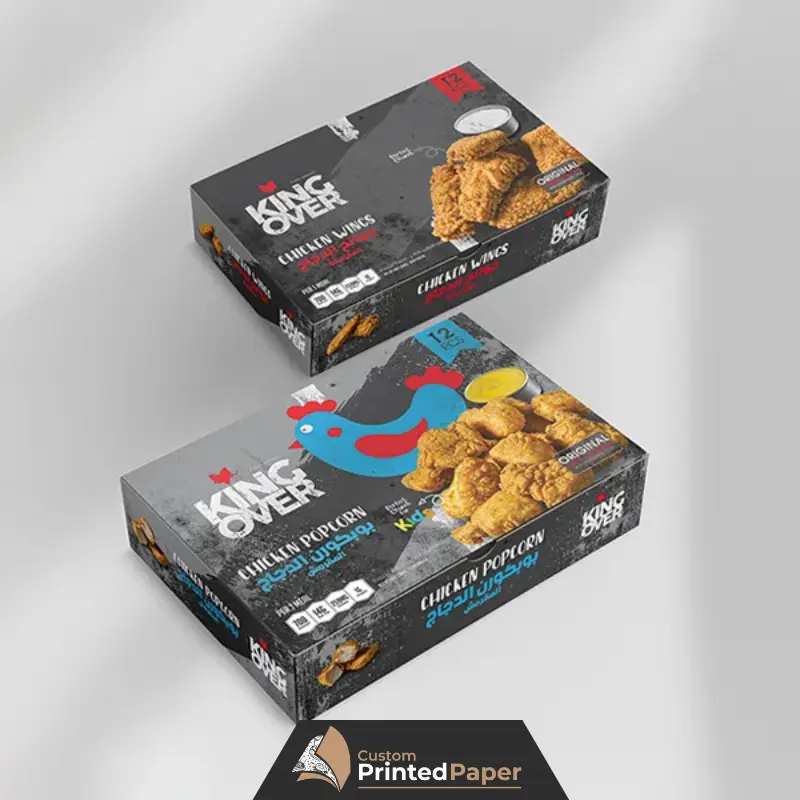
Custom Frozen Food Boxes for Freezer-Safe, Branded Packaging
Frozen food packaging fails in ways normal boxes never have to survive. Freezer burn. Condensation. Cracked ink. Collapsed corners. These problems can show up before a product even reaches the shelf. Customprintedpaper designs and makes custom frozen food boxes built around your product. We use your exact dimensions, storage temperature, and branding needs. We do not use a generic template. Maybe you package frozen meals. Maybe it is seafood, pizza, or desserts. Maybe it ships direct to customers. Either way, we help you pick a material, structure, and finish that holds up through the full cold chain. Not just on day one. Tell us your product size, order quantity, and storage conditions. We will recommend a spec that fits.
Why Frozen Food Packaging Matters in a Growing Category
Frozen food is no longer a backup meal category. The American Frozen Food Institute says the U.S. frozen food market hit 85.5 billion dollars in sales in 2024. Its 2026 research found something else too. Now 40 percent of shoppers count as core frozen food buyers. That is up from 35 percent in 2019. And 30 percent plan to buy even more. Frozen food is taking a bigger share of everyday meals. That means packaging has to do more than hold a product. It has to survive freezing, handling, and shipping. And it still has to look great at the store. That is the bar your custom frozen food packaging needs to clear.
What Are Custom Frozen Food Boxes?
Custom frozen food boxes are built around three things. Your product’s size. The conditions it faces in storage and transit. Your brand’s print and finish needs. Stock cartons are not built this way. Custom boxes are specified for frozen storage, not just sized for it. That means the material, coating, and construction are chosen for low temperatures, moisture, and rough handling. These boxes can serve three roles. Primary packaging touches the food directly. Secondary packaging holds pre-wrapped product. Shipping packaging protects product in transit. The role changes which materials make sense. A frozen meal carton, a frozen pizza box, and a frozen seafood shipper each solve a different version of one problem. Keep the food intact and presentable from freezer to table. If you sell beyond frozen categories too, browse our full range of custom food packaging for ambient and refrigerated products.
Why Frozen Food Needs Specialized Packaging
Frozen products put more stress on packaging than most other categories. Four factors drive the choices behind every custom frozen food box we make.
Moisture and Condensation
Frozen products release and absorb moisture. This happens as they move between the freezer, the truck, and the store. Without the right barrier coating, that moisture weakens the board. It softens seams. It can cause labels or print to lift. Moisture resistant frozen food boxes need coatings matched to how wet the product and its environment really get.
Freezing and Freeze-Thaw Conditions
Packaging does not sit at one steady temperature. It cycles through freezing, partial thawing, and refreezing. This happens during transport and display. Each cycle stresses the adhesives, seams, and printed surfaces. A box can look fine right out of production. Then it fails after two or three freeze-thaw cycles. That happens when the material was not chosen for that kind of exposure.
Structural Protection
Frozen contents are often heavier than room-temperature products. Cold can also make standard board more brittle. So structural design has to account for that. Wall thickness, flute type, and corner construction all matter more here. This is true especially for boxes that get stacked or palletized.
Storage and Stacking
Frozen food boxes often sit stacked for long periods. This happens in freezers, on pallets, and in retail cases. Compression strength decides whether a box holds its shape. Or whether it slowly collapses under weight. That detail matters as much in a warehouse as it does on a store shelf.
What Makes a Frozen Food Box Suitable for Freezer Storage?
A freezer-safe food box needs the right materials, coatings, and construction. These need to fit its specific storage conditions. There is no single spec that works for every product. The right combination depends on a few things. Storage temperature and how long the product will sit in storage. Moisture and condensation during handling and display. Product weight and how the box gets stacked. Whether the box is primary packaging, secondary packaging, or a shipper. And where it is going: a retail freezer case, a direct-to-consumer order, or a wholesale pallet. That is why we ask for these details first. A frozen pizza box in a flat retail freezer needs something different than a seafood shipper packed with ice. A generic “freezer safe” label does not capture that. Specifying packaging around the real use case is what keeps it working through the full supply chain.
Types of Custom Frozen Food Boxes
We manufacture custom frozen food boxes across the categories frozen brands sell most. Each one comes with its own packaging considerations. Browse our full catalog of custom food boxes if you need packaging outside these frozen categories too.
Frozen Meal Boxes
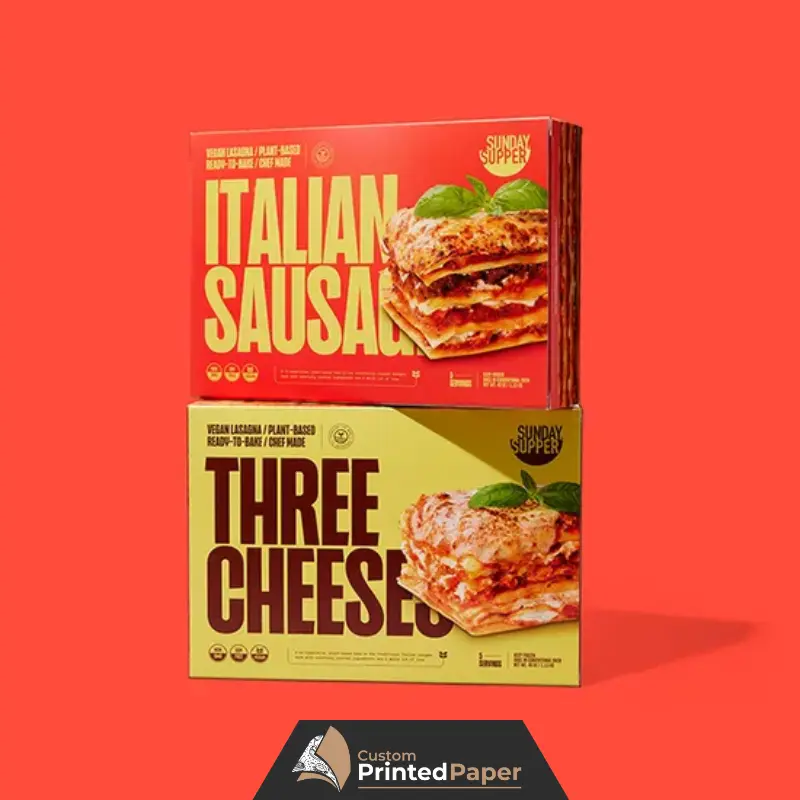
Frozen meal boxes need to hold their shape through reheating. That means surviving time in the microwave or oven, with instructions printed right on the carton. They also need to resist condensation and stand out on a crowded freezer shelf.
Frozen Pizza Boxes
Frozen pizza boxes are usually flat and wide. They need rigid corners so they do not crush under stacking. The print also needs to stay sharp after handling in cold, sometimes damp conditions.
Frozen Meat Boxes
Frozen meat packaging often needs a stronger moisture barrier. Product weight and possible drip make that necessary. It also needs structural support for denser contents during shipping and storage.
Frozen Seafood Boxes
Frozen seafood boxes often ship with ice packs or gel packs. That raises moisture exposure quite a bit. So barrier-coated materials are a common choice for this category.
Frozen Vegetable Boxes
Frozen vegetable cartons are usually lighter-duty but higher-volume. Consistent quality across large order runs matters as much as individual box strength.
Frozen Dessert Boxes
Frozen dessert packaging protects delicate items like cakes and pastries. Print quality and structural rigidity both matter here. The box needs to stand out at retail too.
Materials for Custom Frozen Food Boxes
Material choice is the single biggest factor in how a custom frozen food box performs. We work with four core material types. Each one suits different frozen food packaging needs.
Paperboard
Paperboard is lightweight and prints well. But it needs a moisture-resistant coating to survive frozen environments. It is a common pick for retail meal and dessert cartons, where appearance matters most.
Kraft
Kraft paperboard gives a natural, recognizable look. It suits brands built around simplicity or sustainability. It can also be treated with barrier coatings for frozen use. Browse our custom kraft boxes if you want the same natural look for non-frozen products.
Corrugated Board
Corrugated board adds strength for heavier products and shipping boxes. It works well for anything that gets stacked or palletized. That makes it a common choice for frozen meat, seafood shippers, and wholesale cartons. See our custom corrugated boxes for heavier-duty needs beyond frozen categories.
Barrier-Coated Materials
Some products face higher moisture exposure. Frozen seafood packed with ice packs is a good example. For these, barrier-coated or laminated board resists condensation and freeze-thaw stress better.
There is no single “best” material. The right one depends on your product, its moisture exposure, and how it moves through your supply chain. Tell us your specifics. We will recommend a starting point.
Material Comparison
| Material | Strength | Moisture Resistance | Best Use |
| Paperboard | Medium | Depends on coating | Retail meal & dessert cartons |
| Kraft | Medium | Depends on treatment | Natural-branded retail packaging |
| Corrugated | High | Depends on construction | Shipping & heavier products |
| Barrier-Coated Board | High | Higher | Moisture-sensitive applications |
Custom Printing & Finishing Options
Custom frozen food packaging can be printed in full color or spot colors. It depends on your brand needs and order size. Finishing options usually include matte or gloss coatings, soft-touch laminates, and spot UV for logos. Frozen applications need extra thought here. Moisture and cold exposure matter. Some coatings look sharp at room temperature. Then they crack or dull faster in freezer conditions. We flag which finishing options hold up best for your storage and handling needs. We do this before production, not after. Explore more custom printed boxes options across our full packaging catalog.
How to Choose the Right Frozen Food Box Size
Box dimensions should be built around your product. Not the other way around. Before we finalize a size, we typically need a few things. Product length, width, and height, including any tray or wrap. Product weight. Whether the box is primary packaging or holds pre-wrapped product. Any internal clearance needed for ice packs, inserts, or dividers. And how the box sits on a shelf, standing or flat. Undersized boxes put pressure on seams during freeze-thaw cycles. Oversized boxes waste material and shipping space. They also let product shift in transit. We size custom frozen food boxes around your real product dimensions. We do not round up to the nearest stock size.
Retail vs. Shipping Frozen Food Boxes
Retail frozen food boxes are built to be seen. They need strong front-facing graphics and clear product information. And a structure that displays well, upright or flat, in a freezer case. Shipping boxes prioritize different things. Compression strength. Protection against transit damage. Compatibility with dry ice or gel packs for direct-to-consumer orders. Some products need both. A printed retail carton as primary packaging. Shipped inside a corrugated outer box for transit protection. We help figure out whether your product needs one packaging layer or two. It depends on how it reaches the end customer. For pure transit protection, take a look at our custom shipping boxes.
Food-Contact & FDA Considerations
Food-contact suitability depends on the specific materials, coatings, and adhesives in a box. It is not about the product category as a whole. The FDA treats frozen storage as a defined condition of use for food-contact substances. It evaluates packaging based on the individual substances it contains. And how that packaging is meant to be used. So a blanket claim like “FDA-approved frozen food boxes” is not accurate framing. What matters is whether the specific materials in your packaging suit direct or indirect food contact under frozen storage. We can walk through material documentation for your order. That way you know exactly what you are working with before production starts. This matters most when your box touches food directly, rather than serving as secondary or shipping packaging.
How Much Do Custom Frozen Food Boxes Cost?
Custom frozen food box pricing comes from several factors, not one flat rate. Material type and barrier coating matter. So does box size and structural complexity. Print colors and coverage play a role too. So do finishing choices, order quantity, and turnaround time. Frozen packaging often needs moisture-resistant coatings on top of standard printing. That usually pushes unit costs higher than comparable room-temperature packaging. Share your product specs and order volume. We will build an itemized quote so you can see exactly what drives the price.
Wholesale Custom Frozen Food Boxes
For frozen food brands scaling up, we offer wholesale pricing on custom frozen food boxes. Volume orders come with discounted rates. Wholesale orders use the same materials and finishes as smaller runs. Only the unit economics change. Moving from a small test run to ongoing production? We can help plan order quantities around your storage capacity and sell-through rate. That way you are not tying up cash in excess inventory. Ask about current minimum order quantities and lead times when you request a wholesale quote.
How to Order Custom Frozen Food Boxes
- Share your product details — dimensions, weight, storage temperature, and expected order quantity.
- Get a material and structure recommendation based on your product’s moisture exposure and handling conditions.
- Review a die-lineand request a sample first, if you want one.
- Approve final artwork and specifications.
- Production, quality checks, and shipping follow.
Most projects move from initial specs to a quote within a day or two. Production timelines depend on order size, material, and finishing complexity.
Why Choose Customprintedpaper?
Frozen food packaging is a performance problem before it is a printing problem. A beautifully printed box that fails in the freezer does not protect your brand or your product. We specify custom frozen food boxes around your product’s real storage and handling conditions. Not a generic template. We are upfront about what a material can and cannot do. We do not default to broad claims. That means we ask for your product dimensions, storage temperature, and distribution method first. Then we recommend a material. We flag trade-offs around cost, moisture resistance, and print durability. So you can make an informed call. Want to see the difference before committing to a full run? Request a sample first.
Quick Answers About Custom Frozen Food Boxes
| Question | Direct Answer |
| What are custom frozen food boxes? | Boxes built around a product’s size, storage needs, and branding, not a generic stock size. |
| What makes them freezer safe? | Materials, coatings, and construction matched to the product’s real storage temperature, moisture level, and handling. |
| Can frozen food boxes be printed? | Yes — full-color or spot-color printing is available, with finishes suited to cold and moisture exposure. |
| Can the size be customized? | Yes — sizes are built around the product and any ice packs or inserts. |
| Are wholesale quantities available? | Yes — volume pricing is available for ongoing production. |
| Can I get a sample? | Sample options are available before you commit to a full production run. |
| What products can use them? | Frozen meals, pizza, meat, seafood, vegetables, and desserts, among other frozen categories. |
| Box Style | Custom Frozen Food Boxes |
| Dimension (L + W + H) | All Custom Sizes & Shapes |
| Quantities | No Minimum Order Required |
| Paper Stock | 10pt to 28pt (60lb to 400lb) Eco-Friendly Kraft, E-flute Corrugated, Bux Board, Cardstock |
| Printing | No Printing, CMYK, CMYK + 1 PMS color, CMYK + 2 PMS colors |
| Finishing | Gloss Lamination, Matte Lamination, Gloss AQ, Gloss UV, Matte UV, Spot UV, Embossing, Foiling |
| Included Options | Die Cutting, Gluing, Scored, Perforation |
| Additional Options | Eco-Friendly, Recycled Boxes, Biodegradable |
| Proof | Flat View, 3D Mock-up, Physical Sampling (On request) |
| Turnaround | 4 – 8 Business Days, RUSH |
| Shipping | FLAT |
Available Box Styles for Custom Frozen Food Boxes
| Box Style | Description |
|---|---|
| Tuck End Frozen Food Boxes | Practical folding cartons for frozen products and retail packaging. |
| Reverse Tuck Boxes | Convenient carton style with tuck flaps at opposite ends. |
| Auto-Lock Bottom Boxes | Designed for efficient assembly and suitable product weights. |
| Corrugated Frozen Food Boxes | Corrugated construction for added strength during handling and distribution. |
| Frozen Meal Boxes | Custom cartons for prepared meals, entrees, and individual food portions. |
| Frozen Vegetable Boxes | Packaging tailored for frozen vegetable products and selected food formats. |
| Frozen Seafood Boxes | Custom packaging for fish, shrimp, and other frozen seafood products. |
| Frozen Meat Boxes | Cartons designed around the size and handling requirements of packaged meat products. |
| Frozen Dessert Boxes | Packaging for frozen treats, desserts, and selected confectionery products. |
| Custom Printed Frozen Food Boxes | Branded cartons tailored to your product, storage conditions, and retail requirements. |
Industry-Standard Size Options (Inches)
Small Frozen Food Boxes
| Size | Dimensions (L × W × H) |
|---|---|
| Small Frozen Snack Box | 4 × 3 × 2 |
| Frozen Vegetable Box | 5 × 4 × 2 |
| Small Frozen Meal Box | 6 × 4 × 2 |
Standard Frozen Food Boxes
| Size | Dimensions (L × W × H) |
|---|---|
| Standard Meal Box | 7 × 5 × 2 |
| Medium Frozen Food Box | 8 × 6 × 2.5 |
| Family Meal Box | 9 × 6 × 3 |
Large Frozen Food Boxes
| Size | Dimensions (L × W × H) |
|---|---|
| Large Frozen Meal Box | 10 × 7 × 3 |
| Family-Size Food Box | 12 × 8 × 4 |
| Large Frozen Product Box | 14 × 10 × 4 |
Custom Frozen Food Packaging
| Packaging Type | Example Dimensions (L × W × H) |
|---|---|
| Frozen Seafood Box | 8 × 6 × 3 |
| Frozen Dessert Box | 6 × 4 × 3 |
| Bulk Frozen Food Box | 16 × 12 × 8 |
Why Businesses Trust Us
Customized Style

Customized Printing

Competitive Price

Free Shipping
Unlimited Options Available in Frozen Food Boxes
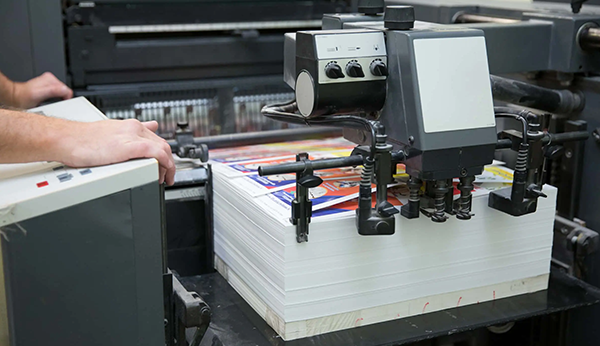
Offset Print
If you’re looking for large-volume packaging materials, choose offset printing! This printing method produces clean, crisp, and brilliant results. It uses plates to transfer ink to paper, so it is economical for printing in bulk. The process provides accurate color, professional quality, and an outstanding look and feel, which is ideal for cutting custom packaging designs.
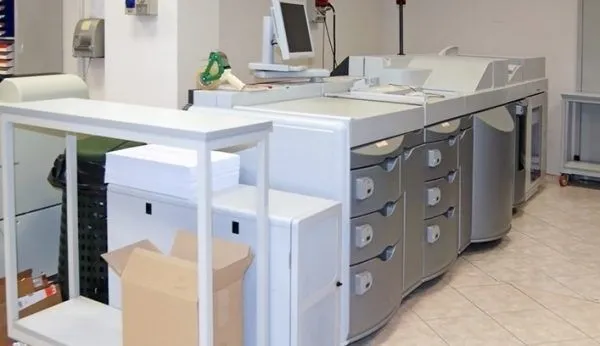
Digital Print
Digital printing works well for short runs and quick turn times. It doesn’t use printing plates, but instead prints directly from a computer file. It is cheap for small amounts and gives good resolution. It’s ideal for custom designs, variable data or limited edition packaging that requires speed and flexibility.
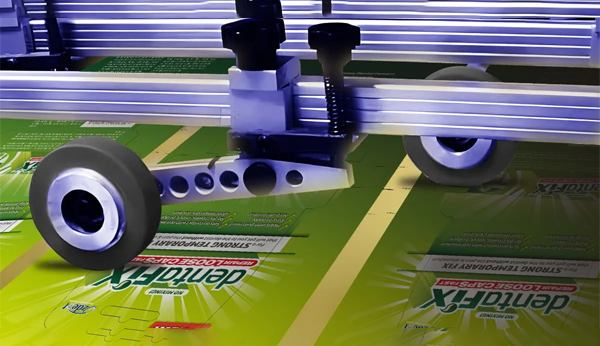
UV Print
UV printing is a process that uses ultraviolet light to dry and cure the ink as it is printed. It easily operates on traditional and non-traditional materials. This process adds to the visual appeal of such packages, as well as their durability, and packages that require a combination of both texture and shine are perfect candidates for such execution.
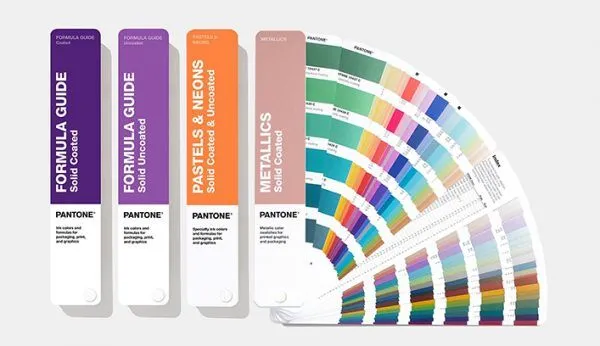
Pantone
Pantone printing is based on a standardized color matching system to guarantee an exact color match between jobs. It’s great for keeping brand colors perfect. Pantone ink is mixed using Pantone formula guides developed through spot printing for color accuracy that is reported as second to none. For luxury packaging that demands trustworthy, uniform, and sumptuous color from the start.
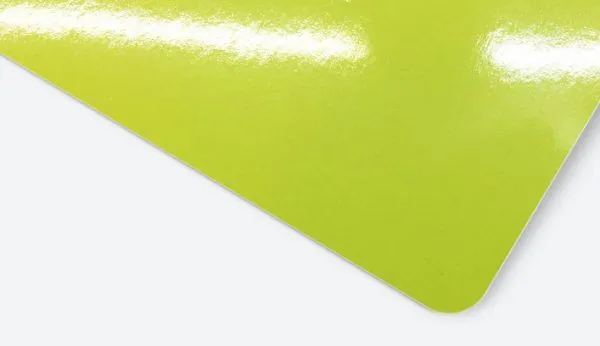
Glossy Lamination
Glossy lamination is used to give a shiny surface to the custom boxes. This coating is also an excellent option to protect the material from scratches. If you want to give your packaging/printing a professional finish and protection from scratches, then gloss lamination is an ideal option. The high quality of the lamination protects the packaging material from moisture and enhances its longevity.
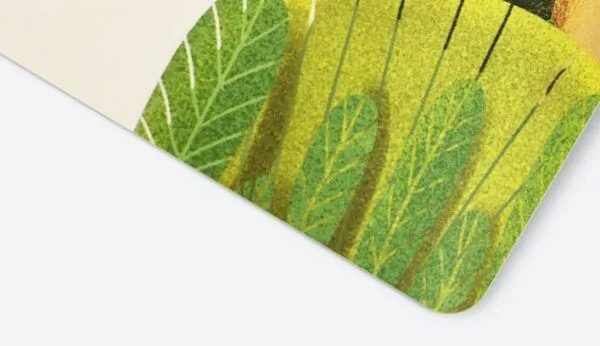
Matte Lamination
The covering is a matte lamination to give a smooth surface with a non-glossy finish, with a premium feeling. It can lower glare and has a soothing quality to particular colors. This finish is frequently used when a modern, subtle appearance is required and a sound, protective barrier is necessary to help resist smudging, light scratching and light abrasion while still offering the look of natural wood grain.
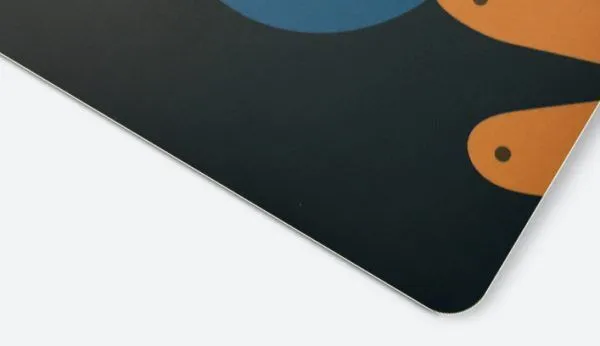
Soft Touch Lamination
The velvet-like feel makes it soft to the touch, lamination and creates an amazing tactile sensation. The surface feels good and is easy to hold. It increases tactile interaction and reinforces a brand message with elegant visuals, yet it is still durable; resists moisture, wear, and. damage during handling.
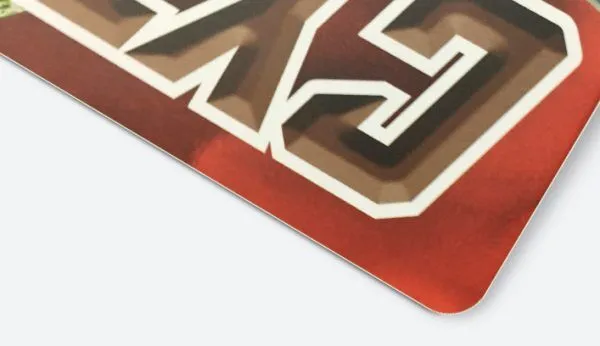
Anti-scratch Lamination
Anti-scratch lamination resists scratches, prevents scratches, and reduces the visibility of scratches. It holds up better with dust. This finish is also excellent for packaging applications in which the item needs to be kept in prime condition via handling and shipping, and for the retail shelf, where resistance to wear and durability are a must for on-shelf appearance and quality control.
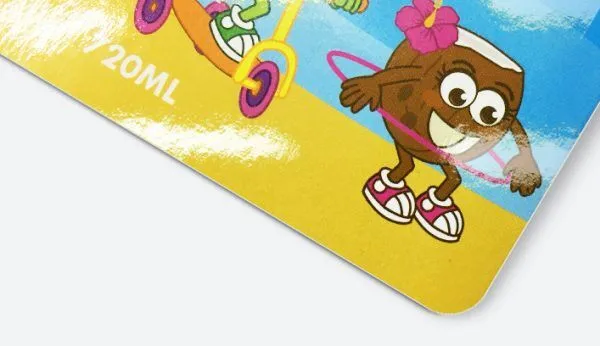
UV Varnishing
UV Varnishing is a high-gloss coating that adds depth and appeal to the printed image. Cured with Ultraviolet light to be hard and ready to use. This process creates a very distinctive, eye-catching appearance and provides additional protection. It also has the added benefit of hiding light scratches, fingerprints and dirt.
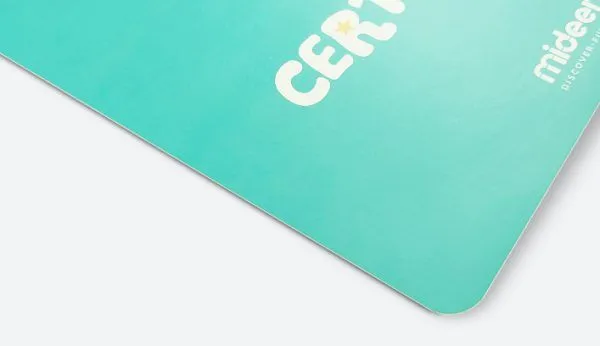
Machine Varnishing
Machine varnishing provides the packaging with an even finish that is applied during production. It beautifies your surfaces and lasts up to 15 years. Its finish is consistently good on large runs, and provides for good smoothness, clarity, and slight gloss increase as well as improved resistance to minor wear and dulling over time.
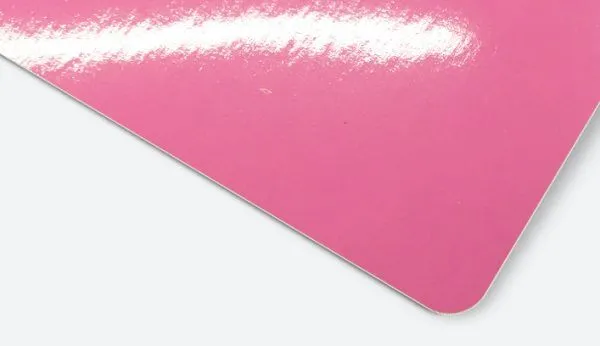
Calendaring Varnishing
Varnishing calendaring is the process that gives gloss and smoothness with heat and pressure. It also helps to crisp up printed detail and feels more professional. This process enhances details and gives an inviting feel to the printed product for premium quality presentation packaging.
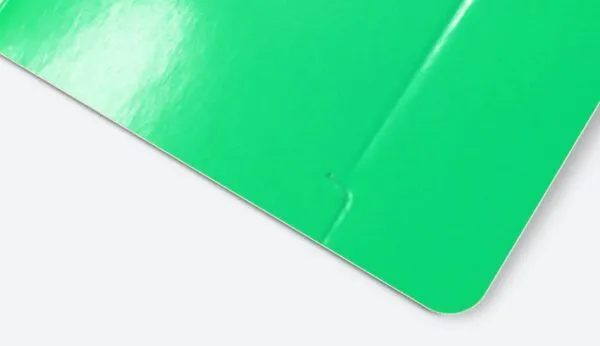
Water-Base finishing
Water-based coating offers a protective and environmentally safe coating that is also strong and long-lasting. It provides a matt/natural or gloss/soft gloss finish effect without being applied using hazardous materials. This option is perfect for companies that value environmental consciousness and are in need of a smooth surface that is reflective as well as protective.
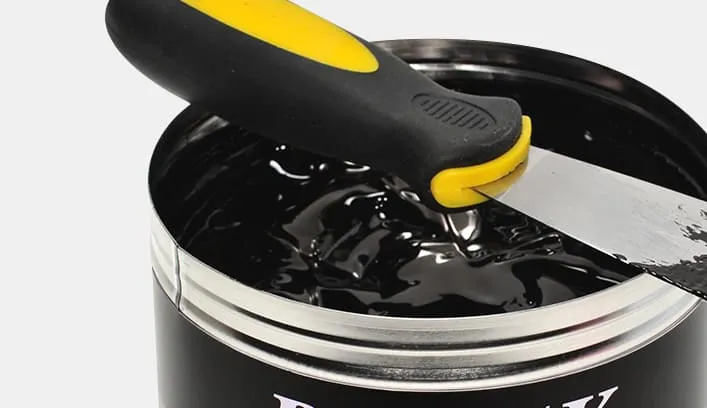
Water Base Ink
Ecologically friendly water-based ink that is non-toxic and gentle on skin. It is suitable for different kinds of printing processes, including superior carton printing quality.
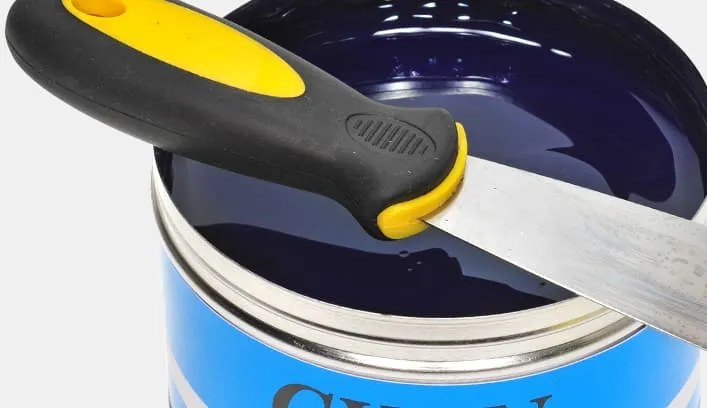
Soy Ink
Soy ink is manufactured with soybeans and is sustainable in nature. This ink has the ability to give vibrant colors and impactful designs that give your custom printed boxes an alluring look. It has a much smaller carbon footprint as compared to petroleum-based inks.
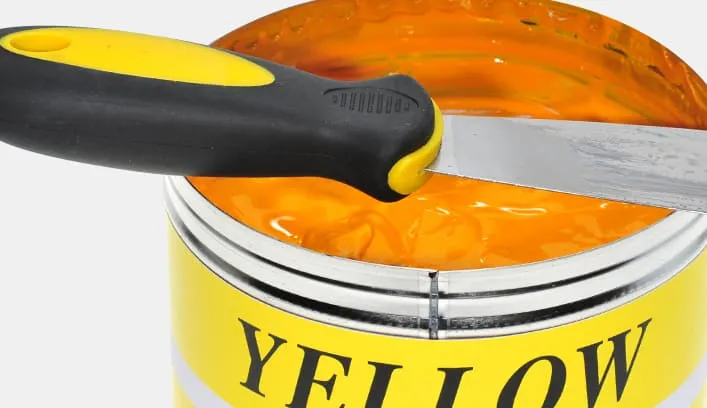
Fluorescent Ink
Fluorescent ink gives designs that glow under UV light and create a catchy design. This ink is ideal for special effects, as well as for producing prints that pop. It is commonly used in posters, labels, signs and other marketing materials which must be read easily in a variety of conditions.
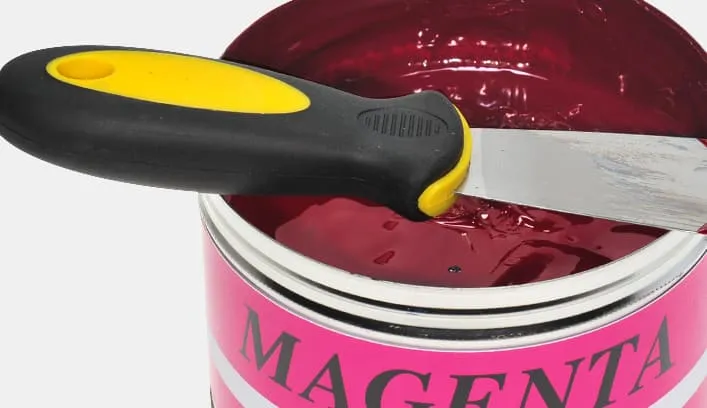
Oil Base Ink
This kind of ink uses petroleum and is becoming popular simply because it is durable and of high-quality color. Exhibiting excellent print resolution and high-standard graphics quality. Oil-based ink gives perfect quality images, especially on porous surfaces that are otherwise hard to print. But it has a greater environmental impact in terms of its chemistry.
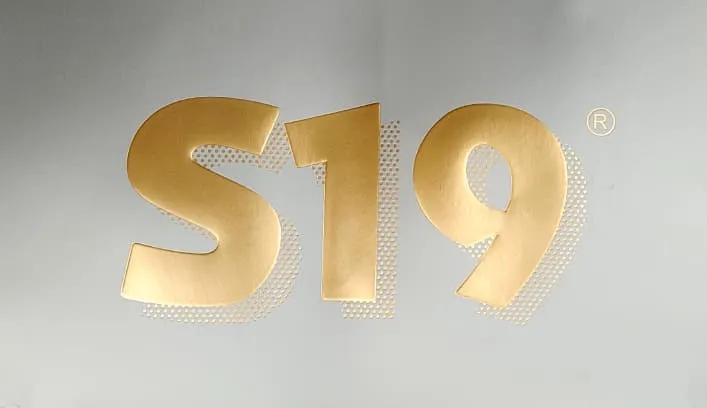
Foil Stamping
In foil stamping, heat is used to transfer ink to the surface. You can get matte to gloss and holographic images on your packaging. Foil stamping outshines your packaging among the other brands and gives a high-end look to your product.

Spot UV / Spot Gloss
In spot UV, a polished layer is applied to specific areas of packaging. This is an ideal option to build contrast and textures. If you want to accentuate your logo and other designs, then spot UV is a good option.
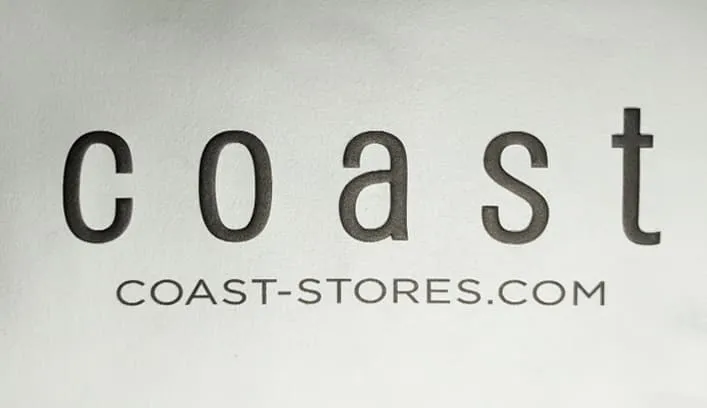
Blind Embossing
A blind emboss is an image that is pressed into the paper or card without the use of ink or foil. It has a raised or recessed quality, which makes the material look elegant and refined. This velvet touch lamination is commonly used on branding or invites, adding a tactile feel to the design.
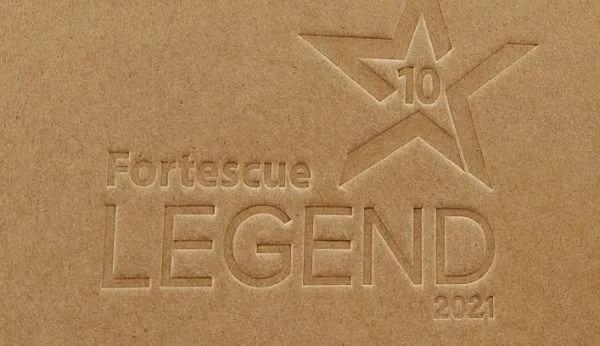
Blind Debossing
Blind debossing is a form of blind embossing as you create a depressed image into the material, instead of an embossed one. It’s commonly used for soft branding or high-end packaging and returns a smooth and sophisticated feel to your designs.

Stamping Embossing
Embossing stamping combines stamping and embossing to produce a raised pattern or logo. It adds an ink stamp or foil technique decoration, great for luxury business cards, invitation cards, and packaging details, both textured and detailed.

Flocking
Flocking is the act of adhering small fibers to the surface of an article of fabric or other material. This process allows for the printed material to have a soft hand and be slightly indented into the product it is printed on, and is typically reserved for greeting cards, packaging or limited garment decoration. It creates a lush feel and lavish touch.

Textured Embossing
Emboss textures are a raised or indented pattern in a graphic, giving an elegant look for print. The effect is typically used for branding and to add detail to designs in things like invites, business cards or packaging, but also gives a tactile and visual boost.
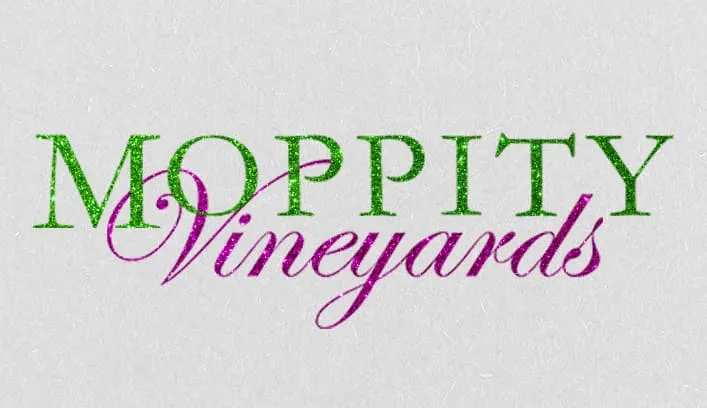
Glittering
What is glittering? They love that it makes people look and feel sparkling. It is frequently used in advertising as well as in sales promotions, in packages, in decorative items, on toys, and other products to increase its liveliness and attract attention. It’s great for holiday or special occasion patterns.

C1S
C1S is an acronym for “Coated One Side,” as the paperboard is glossy on one side and uncoated on the reverse. It is wonderful in packaging where you need a printed, high-end, printable side outside, and you may want the inside to be writable or matte. Perfect for handcraft, small business and so on, ideal for packaging boxes, shelves, product tags with a polished look.

C2S
C2S, which stands for “Coated Two Sides”, has a smooth and shiny coating on both sides of the paperboard. This is why it is ideal for stunning full-color printing, regardless of whether you are an individual or a company. Retail packaging, brochures, and cosmetics boxes that require a high-quality, high-gloss finish both inside and out use C2S.

White Kraft
White Kraft is similar to traditional Kraft, but with a printable white surface. It features a crisp white surface that produces sharp and clear prints, making it perfect for high-quality images. This is a material commonly used to manufacture sustainable packaging, which is required to have attractive prints for a professional brand image.
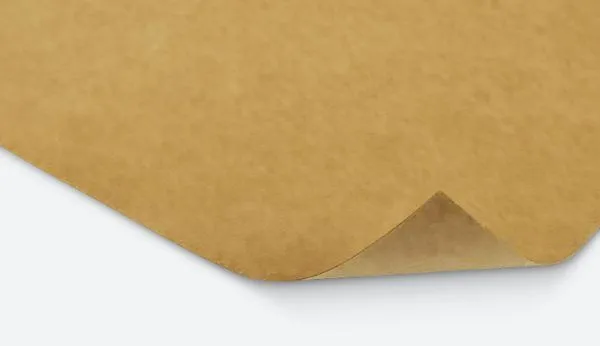
Kraft Paper
Kraft paper is natural brown and unbleached. Thai material is derived from wood pulp and is recyclable. Companies that want to attract eco-conscious consumers prefer Kraft material. It has a rough texture, which is perfect for handcrafted items for a rustic look and protective packaging.
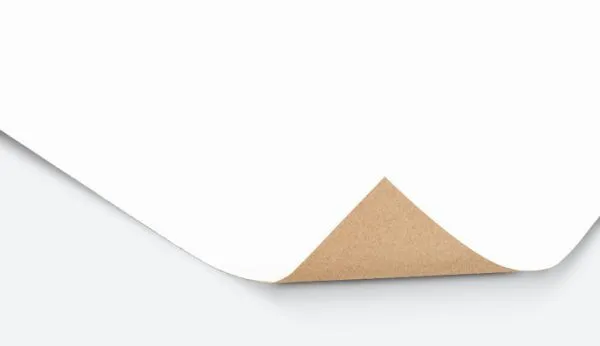
Coated Kraft (CCK)
This paper is brown Kraft with a smooth, white clay-coated surface that enhances the appearance of whatever you print on it. It offers a sleek look that is ideal for graphics, prints and text branding. This hybrid design is perfect for packaging that requires both sustainability and sharp visual branding.
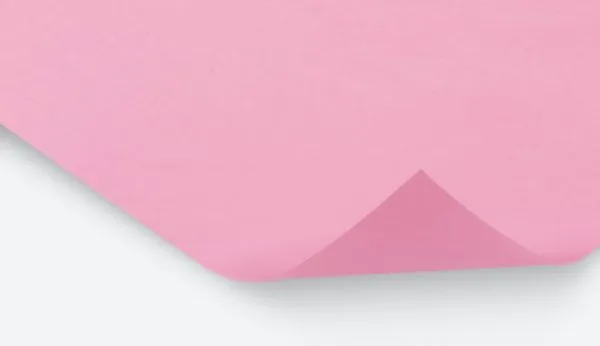
Color Wood Free
Color Woodfree paper has a smooth dyed surface that is free of wood fibres, for a clean finish. It is typically acid-free, and both image and color remain crisp. Ideal for presentation packaging, greeting cards, and custom box lining, where a consistent, solid color and luxurious finish are needed.
CCNB
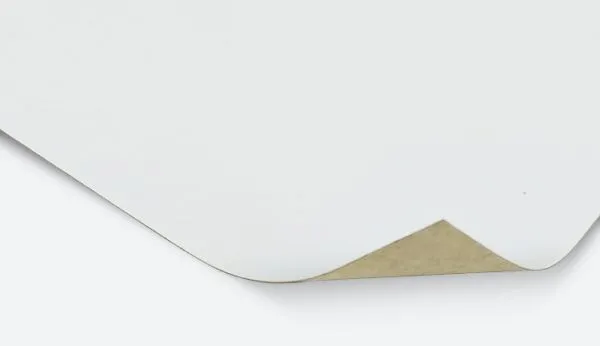
CCNB (Clay Coated News Backboard) is made from recycled paper and has a clay-coated white backing for printing. The back remains gray or brown, preserving its eco-friendly nature. It is a very cost-effective substrate and is used extensively in folding cartons, retail packaging, and food service boxes, where low printing costs and moderate strength are the primary concerns.
Black Cardboard
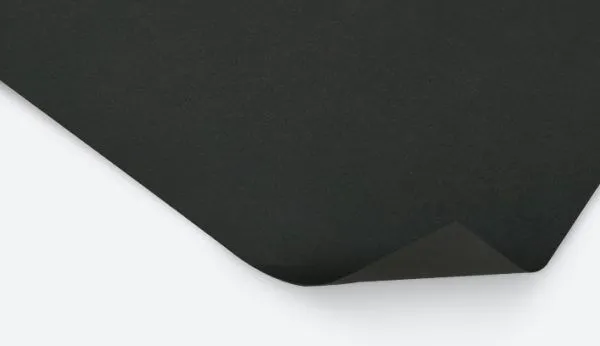
Black cardstock is 100% black for a rich look that is both professional and elegant. It’s rigid and robust. It creates exceptional luxury product boxes and helps in premium branding. The materials’ smooth and matte surface is suitable for foil stamping and other premium finishes to add class and quality.
Our Capabilities
Global Sourcing
Price Match Guarantee
3D Design Services
Flexible Lead Times
High Volume Printing
24/7 Customer Support
Warehousing & Inventory
Custom Payment Plans
What Makes Us Different
Premium service you won't experience with other providers

Speed
Our overall manufacturing facilities for custom printed papers are fast and give premium results. It takes us only 6 to 8 business days to complete your order and deliver it to your doorstep.

Quality
The quality of our custom printed paper is premium and after processing the raw material, we give accurate design with minimum chances of error. We have micro scanners that scan each specification of custom printed paper for consistency.

Range
We have a wide range of paper types that include custom deli paper, wax paper, custom greaseproof paper, and much more. Moreover, you do not need to worry about the dimensions as we have standard to custom options for this.

Sustainable Solutions
We use high-quality kraft material and apply the relevant coating on it. Apart from paraffin wax, all our coatings are sustainable, even though we have a sustainable alternative too which is beeswax.

Innovation
Our company believes in innovation and strives for continual improvement which is why all our manufacturing facilities are avant-garde, unique, and highly efficient. These facilities help us in giving the best and the most accurate results.

Cost Savings
Considering the client's budget and understanding the customer's preference, our custom printed paper is a perfect blend of quality and cost-effectiveness. As we have all in-house manufacturing facilities that is why we easily cap the end cost of the product and deliver you at affordable rates.
Leave a Review
TESTIMONIALS
What Our Customers Say
We ordered custom noodle boxes and were impressed with the quality, printing, and sturdy packaging. The boxes look professional and help enhance our brand presentation. Andrew Gomez is the best expert to work with, offering excellent guidance and support throughout the process. Highly recommended for businesses looking for reliable, customized noodle packaging solutions!
Great custom food boxes with excellent quality, printing, and fast service. Harry Wills is the best professional, helpful, and highly recommended!
Amazing custom rigid boxes with premium quality, beautiful printing, and excellent service. James Scout is the best highly professional and helpful!
I had a wonderful experience with CustomPrintedPaper. With the help of Mr. Andy, customer service was professional, the printing and shipping of my custom boxes was very quick.
Excellent quality wrapping paper safe, sturdy, aur value for money. Highly recommended!
I’m thrilled with the grease-proof paper I ordered in New York! The quality is exceptional—sturdy, with excellent grease resistance and vibrant custom printing. It’s perfect for our needs and enhances our product presentation. The service was prompt and professional. Highly recommended for anyone needing reliable, high-quality grease-proof paper.
Related
Products
 In Stock
 In Stock
 In Stock
 In Stock
 In Stock
 In Stock
 In Stock
 In Stock